
Being careful
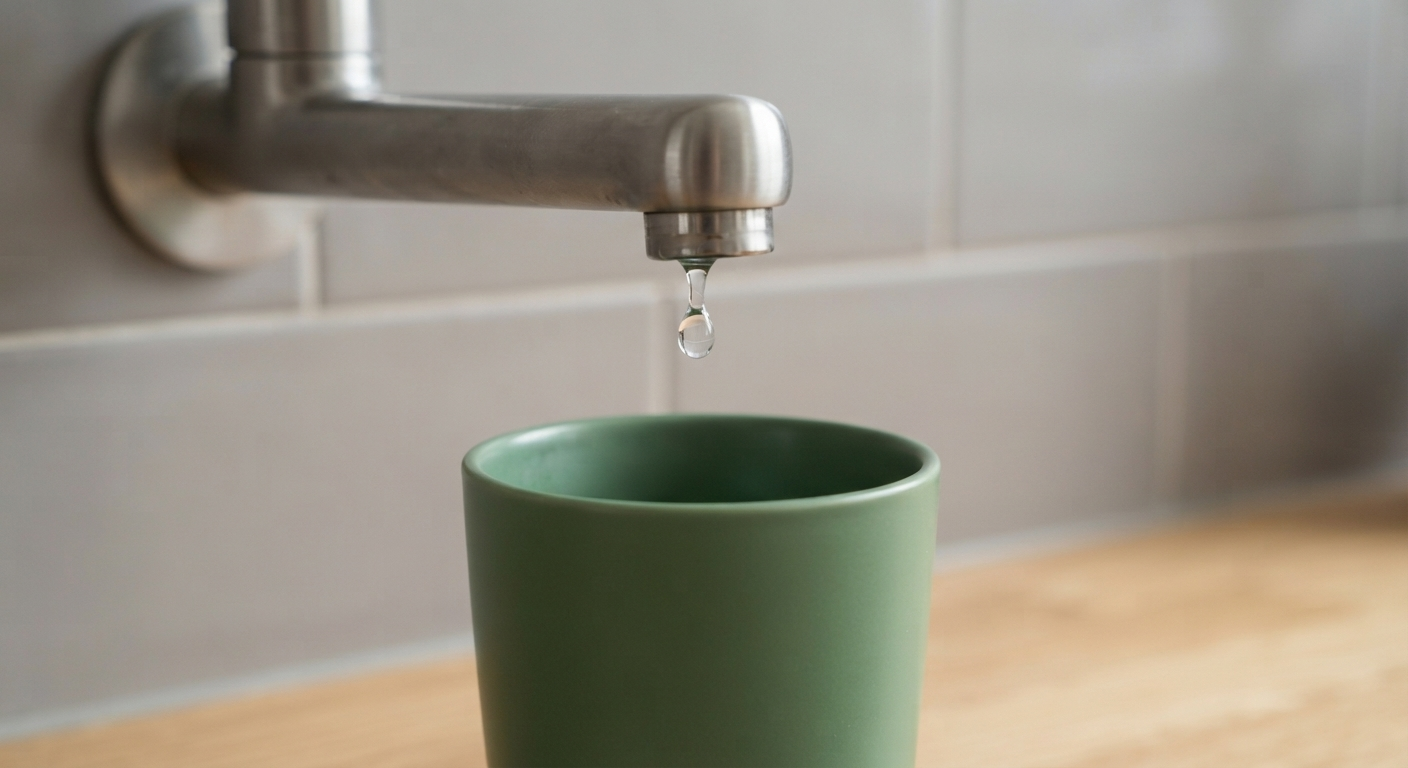
When the hosepipe ban was brought in on the 11th July, it was a bit of a shock. Anglian Water were the old incumbent in the UK, and despite very low rain fall, we get few hosepipe bans. The last one was between the 5th April and 14th June 2012! The current Temporary Usage Ban (aka hosepipe ban) is still in place.
No matter, we looked at what we were doing and, like everyone else, looked at how we could help ensure this vital commodity could be used to its full and precious stores could be available for as long as possible.
The average daily water usage in the UK is 140-150 litres per person per day (145 l pppd). We aimed for 100 l pppd, as this is the Government’s DEFRA (Department for environment, food and rural affairs) is aiming for by 2050 to ensure everyone in the UK has access to the water they need.
Could we achieve that in 2026?
I was a little doubtful. And in July, we got our usage down to 110 l pppd. To work that out, I took our Smart Water meter reading for July (6,976 l) and divided by 2 and then by the number of days in July, 31.
=> Water usage pppd = water usage ÷ (number of people * number of days in the month),
=> 6,976 ÷ (2*31) =112.516 l pppd.
So, let’s do that for June, July, August, September (so far).
| Month | Usage (l) | Number of days | Number of people | Per Person Per Day (l) |
|---|---|---|---|---|
| June | 5,140 | 23 | 2 | 111 |
| July | 6,976 | 31 | 2 | 112 |
| August | 6,345 | 31 | 2 | 102 |
| September | 2,414 | 10 | 3 | 80 |
Wait a moment, we had 30 days in June!
We had 7 days out of the house, a small holiday. If we did not change the number of days we were using water, it would look like such an outlier, as the usage would be 5,140÷60=86 l! The zero days were not counted. Of course, if you don’t have zero usage you have a major leak somewhere and that needs fixing asap.
The question is, what have we done to reduce our numbers?
Cooking and kitchen.
Ironically, we’re not washing up by hand. I have always doubted the argument that the dishwasher does better, but the numbers for us do hold up. You really do need to make the effort to clean up your cooking area religiously as you are not washing up after every meal. Saving a small amount of clean washing-up water in a jam jar gives you that capability without much effort.
Leaving the lid on your pans not only saves electricity or gas. Most soups can be made with a fraction of the water just by using the lid and stopping the evaporation. My Carrot and coriander soup uses 75% of the water if you put the lid on the pan! It retains the thickness, we just don’t waste the water.
Of course, with a roast dinner doesn’t need boiled vegetables with it. Pop carrots (wrapped in foil are incredible BBQ’d or roasted), courgettes, broccoli, peppers, and baby tomatoes in with the roast potatoes to make an incredible roast dinner.
Washrooms.
Not flushing unless we need to, makes a huge difference. Sharing an ensuite, it was something we were in the habit of doing in the morning and evening. But doing this throughout the day saves a huge amount.
Showers have the water turned off during soaping. One a day. I don’t rinse my body before rinsing my hair too. I am only washing my hair every 3 days. We each have a bath a week. That day, you do not have a shower. That brings our showers down to around 30 l a shower.
We do not harvest run off from our shower, but if the water crisis in the UK got worse, this is grey water that can be used to flush toilets for when it’s brown… Same can be done with bath water, of course.
I use the same start-stop pattern when hand washing and teeth brushing.
Eating and drinking.
Drinking water during the hot weather instead of tea. Weird but true, boiling water means some is lost to evaporation. Of course, during the heat waves, moving to water gave us better hydration too. Shifting our 2 l of drinking water to mostly drinking water makes it count more.
Cleaning.
We clean our hard floors with a steamer, which is used for the bathroom and shower room fittings. A litre of water cleans 52m2 of flooring, 3 sinks, 1 bath, and 1 shower. Try doing that with Cif, which needs rinsing down.
Watering house plants.
Left over water is used for the house plants. Grey water that hasn’t had detergent in it is ideal. Left over tea can give a bit of pep. Drained water from vegetables you aren’t using for stock or gravy is like using compost. Do remember to cool the water first!
OK, seems a bit involved…
These are habits we’ve built into our days. We cook the majority of our food at home, yet our water usage stays reasonably good. As we’re now three adults (four some weekends), we use more water for the household.
But sharing cooking and cleaning techniques, we have managed to reduce our usage per person per day. Actually, that’s the measure you need to know if you are making the right moves.
What are you doing? Any techniques or approaches were missing? Please share in the comments below.
Posted: September 19th, 2026 under Driving off the grid.
Tags: Anglian Water, Hosepipe ban, Household efficiency, Resource management, Smart meter, Water conservation, Water usage