
Power plays.
If you live in the UK, you energy company is probably making a big fuss about “Power Moves”. Part of demand flexibility schemes are operated by National Energy System Operator (NESO) as a means of ensuring the UK makes the most of the renewable energy it produces.
Power move, first launched by Ovo in 2024, looks at ensuring you use as little energy as humanly possible during peak times. Because renewable energy is only available when it is being generated, this should encourage people to make use of power when it is available, as much as possible.
As gas prices are rising at quite a rate at the moment (though nothing like as fast as they did in 2022 when Russia invade Ukraine for the first time), as seen in https://www.cliffordtalbot.co.uk/energy-prices/. Please see the image below which is a snapshot I took when I first wrote this article.
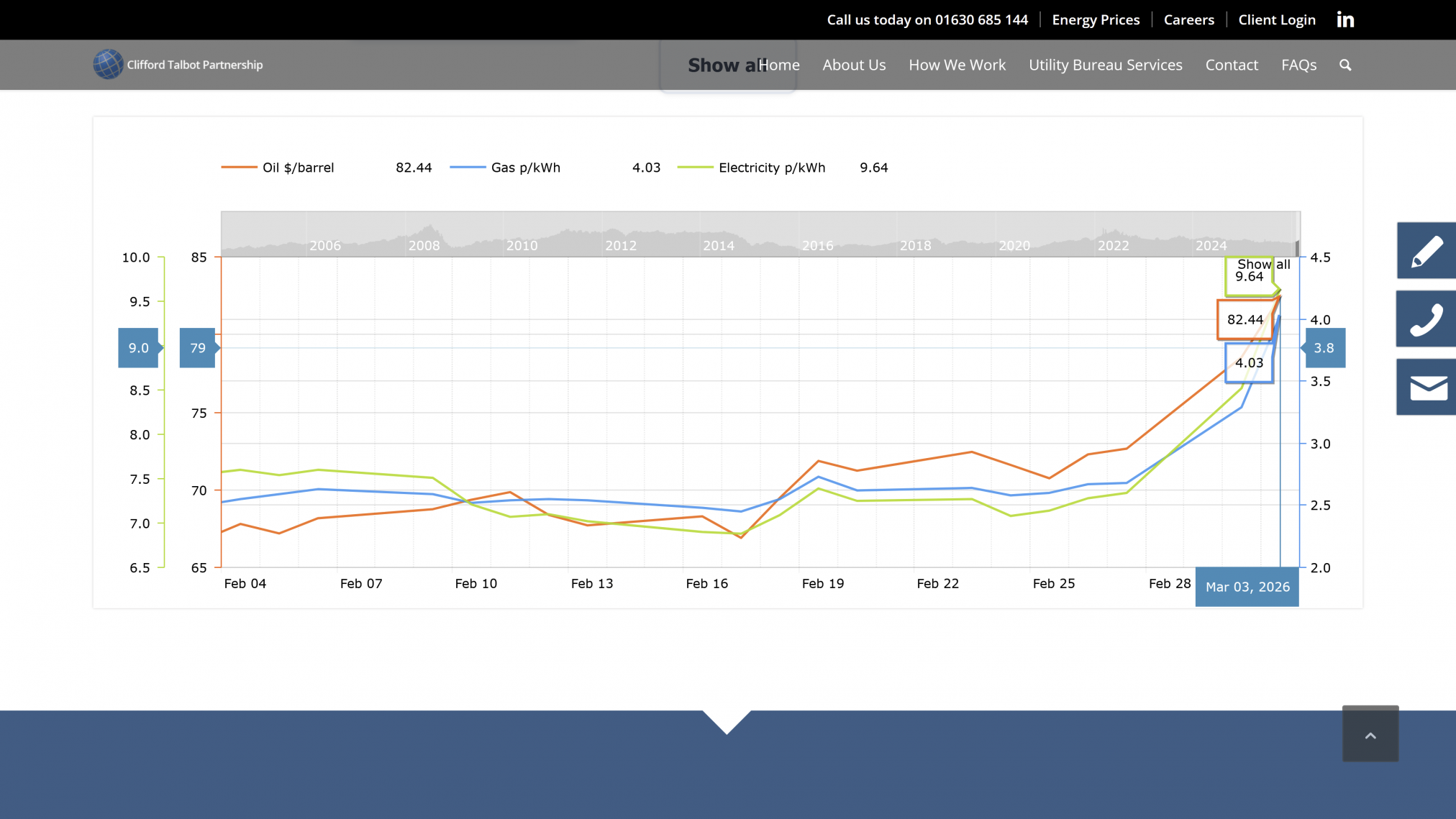
This graph is interesting because where gas prices rise, so too does electricity (and oil). While the UK has made great strides in becoming energy independent, we still generate 30-35% of our energy from natural gas and most of that is imported. Things like the action in Iran which exports a great deal of oil and gas, or transists other countries exports, make a big difference, at least in the short term.
The reason power move is so important is that it allows you energy providers to sell you renewable sourced electricity during the rest of the time and when peak demand is happening, they only have to fall back on gas sourced energy for the few who cannot avoid using power – like councils lighting streets and traffic signals, hospitals feeding patients and lighting wards, etc.
Power move rewards customers using power during non-peak times by charging a lower rate, and if they can avoid using power between 4-7pm Monday to Friday during the winter, or 5-7pm Monday to Friday during the summer, they get “prizes or credits”.
I know some using off-peak times to charge batteries which they then use during peak times and when their solar cannot power their houses. It’s not necessarily reducing their carbon footprints but it is allowing them to reduce costs with their providers.
Around 100,000 people are making use of Ovo’s Power Move to great effect and allowing the UK to reduce its reliance on imported gas.
Are you doing this?
The short answer is no. Being type 1 diabetic, moving meal times can be extremely difficult and that is our big use of power between 4 and 7pm.
I do heat soak the house during lunchtime, which reduces our pull on the grid dramatically. This is actually a good example of this in play:
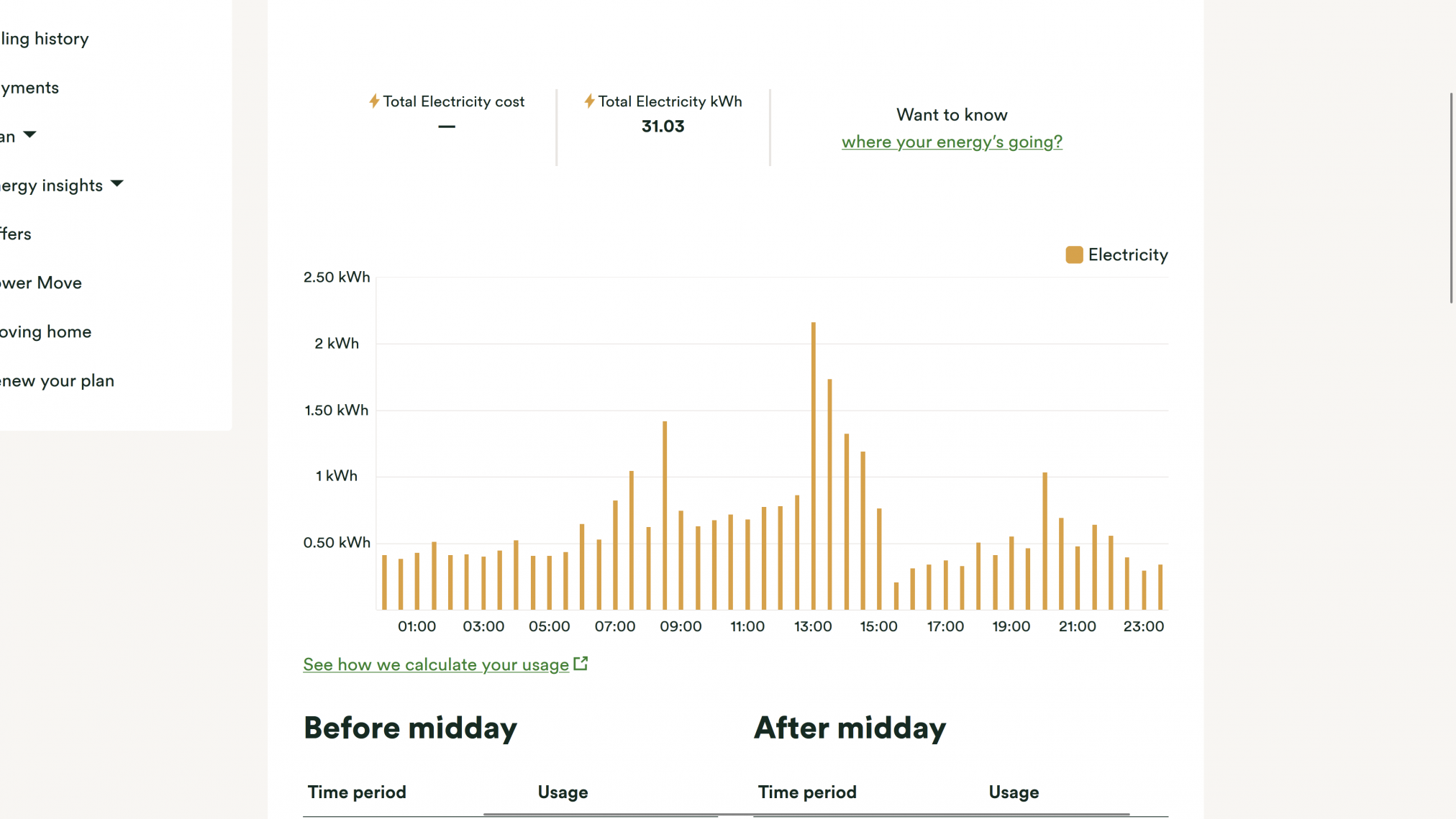
You can see, on a relatively cloudy day, our solar generation was on 2.7kWh for the whole day, we used very little between 4pm and 7pm. Indeed, by heating the house at solar noon for two or three hours means we have a comfortable house, without having to draw anything from the grid.

As we’re entering spring, our battery is coming into its own. We still need to heat the house, but solar power was harvested until 3pm is being stowed in the battery. This is then used in preference to the grid, reducing our draw as much as possible.
Teamed with the uptick in our solar generation figures as we enter March, and it all looks much more feasible.
We’re looking at how we could encourage the battery to store energy during off-peak times, and use its stowed energy during the peak. This is standard functionality from many battery providers, allowing you to be off grid when it comes to cooking tea. If you didn’t have that functionality, you may need to do something manually.
Pairing this with ensuring things like using washing machine is done outside of the peak times, ideally during the weekend (we try, where possible to do our washing and dishwashing cycles when we are generating power, even in winter), and we typically only draw a few kWh during the cooking cycle. Which only lasts 20 or so minutes.
The kettle is one to watch. Switching on the kettle uses 3kWh for about 3 minutes for a couple of cups of tea. Making a flask of tea at mid-day might be the way to combat that or take the advice my mum was recently given in helping her sleep patterns and don’t drink sources of caffeine after noon!
And ventilation fans. Making sure these can be kept to a minimum can all help lower your usage during this critical times.
You’re considering it then?
Yes. We really are. It’s about making sure it works for us. The credits and prizes are less tangible than lower costs when it’s off-peak (who remembers economy 7). But it would mean energy sovereignty.
Posted: March 14th, 2026 under Driving off the grid.