
A different kind of break.
I’m no saint. Yes, I have been the one to make the suggestions of looking into the electric car and the heat pump, but, like everyone else, there are big areas I, personally, should do better.
We are alpine skiers, and living in the UK, that means foreign travel to some mountains. Last year, we did the trip to France by train (if you are looking for an eco-friendly trip, this is the way to travel). In fact we did a great deal more eco-travelling than normal to off-set our trip to Canada this year.
I know, I know, two rights and a wrong do not make things good. But I should be able to do much less by car over the next twelve months too, and hopefully make more use of my push bike…
Your point?
Sorry. I was going to talk about the big difference in doing such trips when you have an optimised heat pump.
Before the heat pump, when the house was truly deserted, we would put on frost protection and run the house at a really low level. But, having got the windows done, and the curtains, it really isn’t the right thing to do for the heat pump. Plus my son and his girlfriend house sat for the weekends, so the house wasn’t really empty over the period…
What difference did that make?
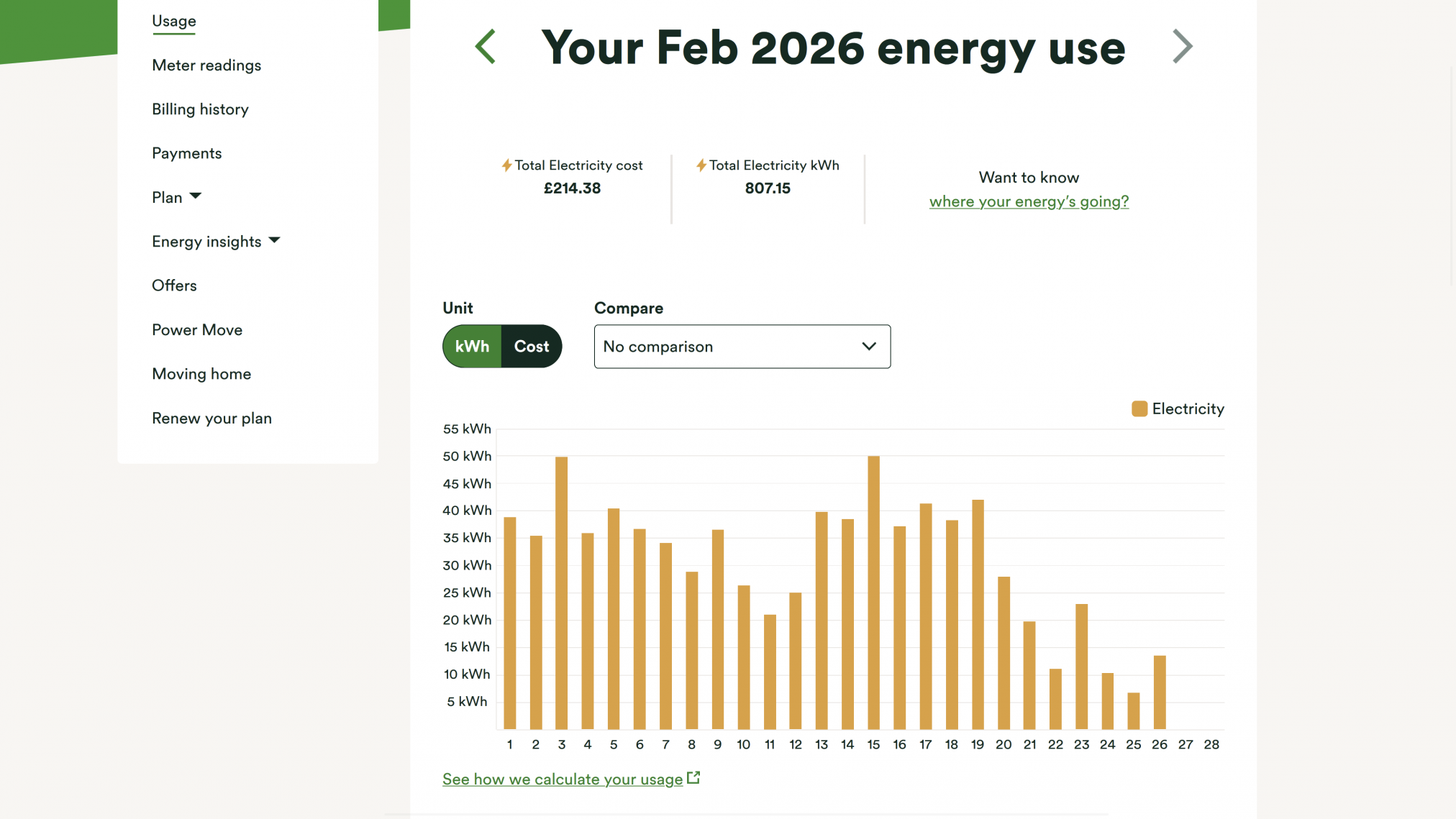
Let’s have a look. We were away from 10th February to the 25th February 2026. The doors and windows were all closed, as were the curtains, and we can see that the usage wasn’t that different. The days when no-one was around, the usage was pretty low, but then those were much warmer days too. More importantly, they were sunnier too!
I did make a difference to the Vicare app, and turn down the settings for the flow round the heating circuits. Fewer doors (both internally and externally) means the temperature didn’t change as much, so we didn’t need as much heat flowing round the system, especially when teamed with room thermostats. I also stopped the post-tea warm up when there is less demand on the grid.
That sounds like jargon, what do I mean in practice? Well, in our living/entertaining areas, I have set the heat to come on again at 19:00 or 19:30 to take us through the part of the day when we’re more likely to be less active, talking rather than walking, so to speak.
The 17th February in the lounge (I so want to say with the candlestick, but I will refrain), is a great example of this.
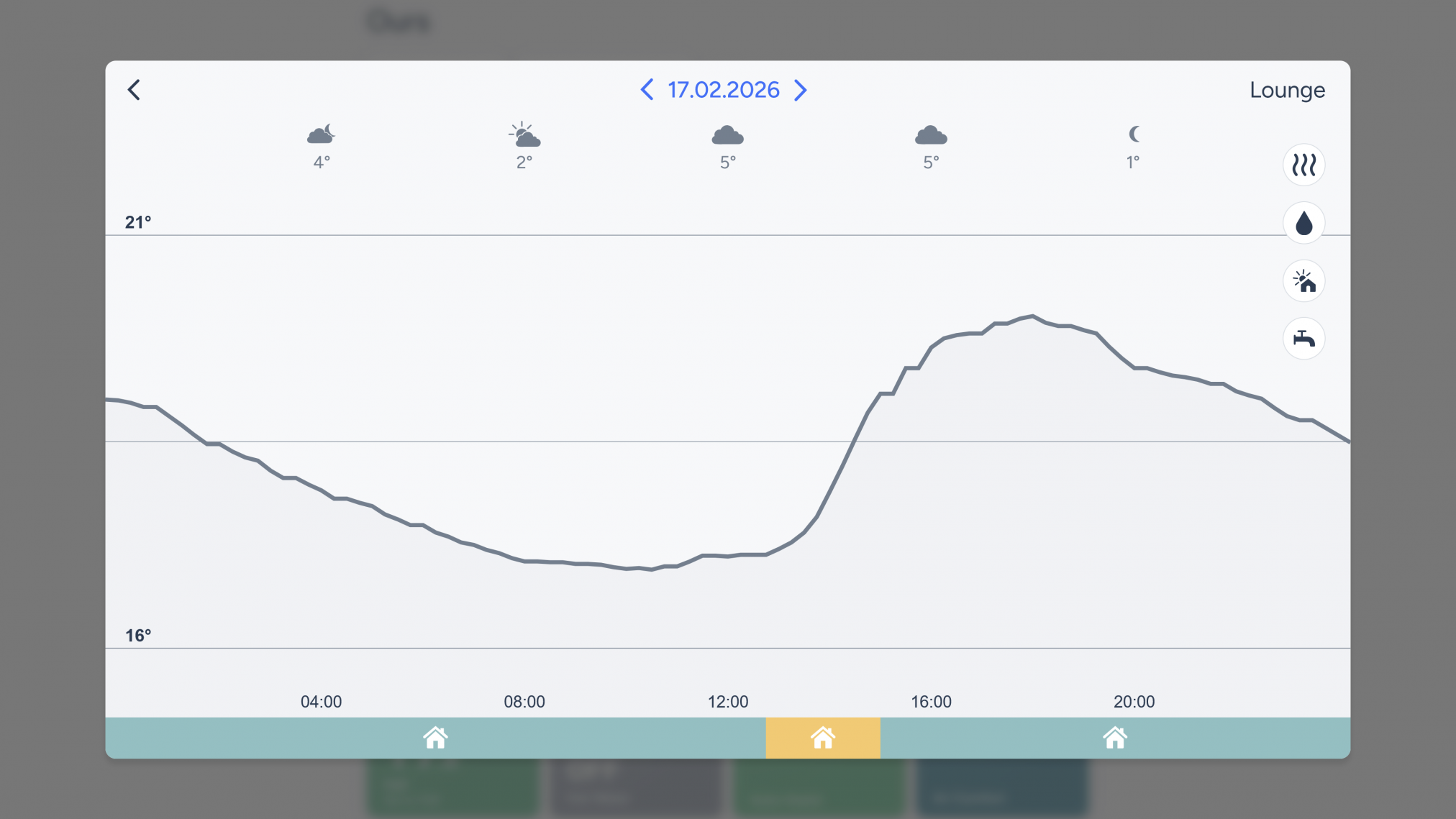
The yellow area is when we heat the room for a few hours in the afternoon, just post our solar peak elevation. We can see from the graph, that heating effect actually continues for much longer than the heating time itself. During this time, I am leveraging our solar panels, as this is when we’re most likely to be generating on a cold winters day in February.
Let’s look at the same graph after I had put the timers back to heat during the evening and returned the flow temperature back up a couple of degrees.
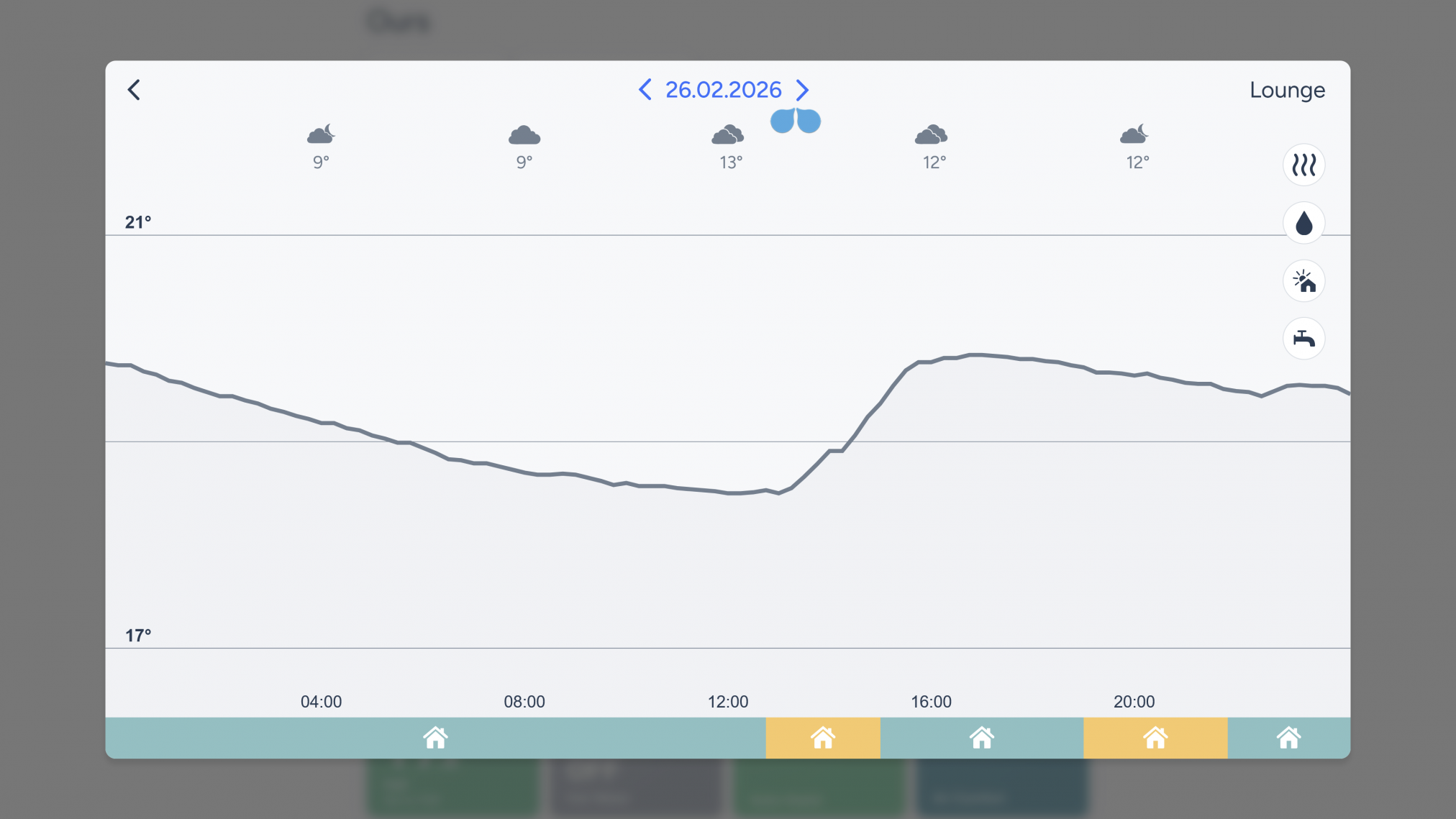
What’s interesting is while the heat is primed to come on, it doesn’t actually reach a temperature where the room is aggressively heated as it is still carrying the heat from earlier in the day. That evening heating is to keep the temperature stable rather than heating a cold room.
Let’s have a look at those heat settings for Thursday.
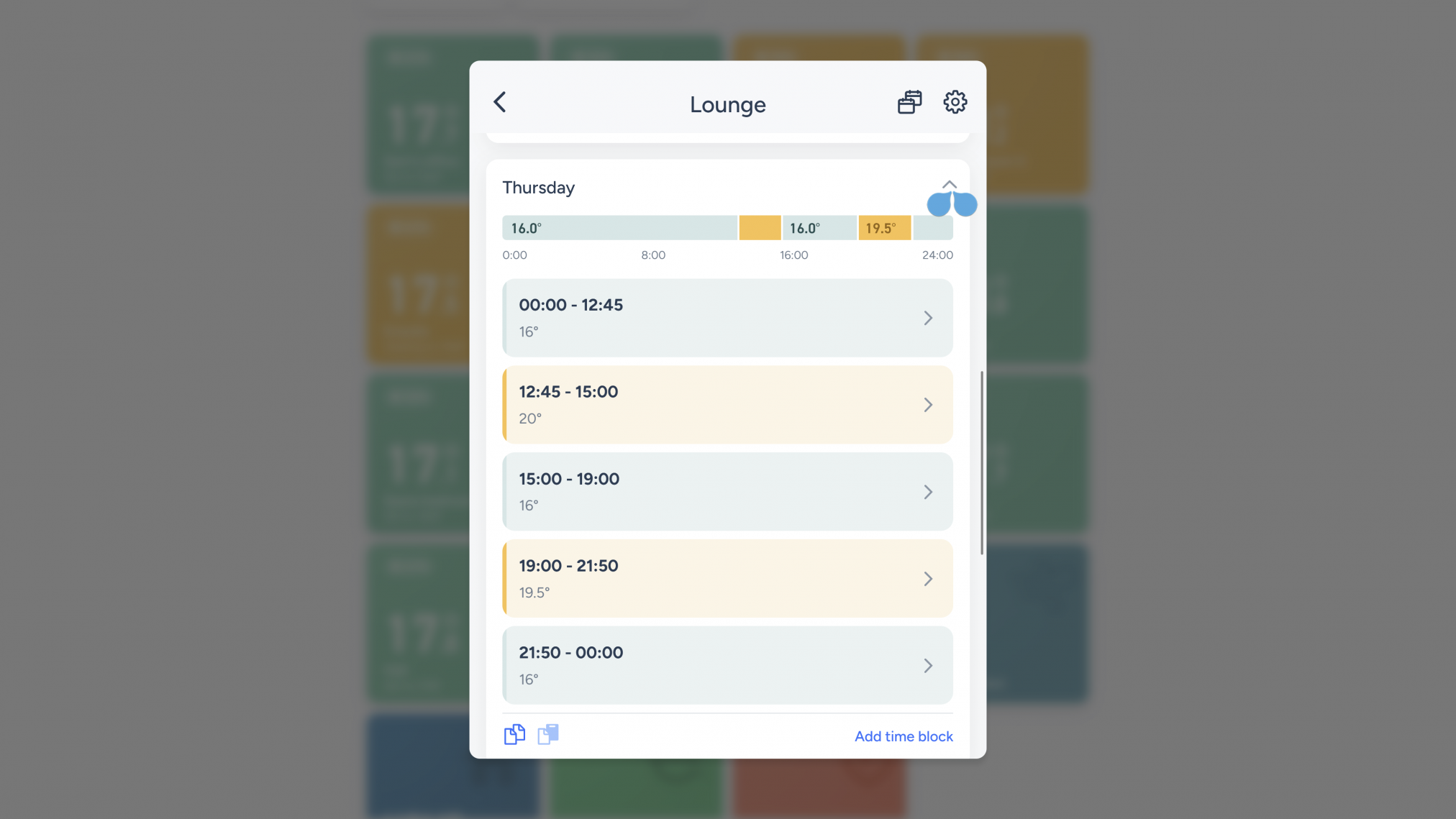
The solar soak is happening between 12:45 and 15:00 every day. To quote Google:
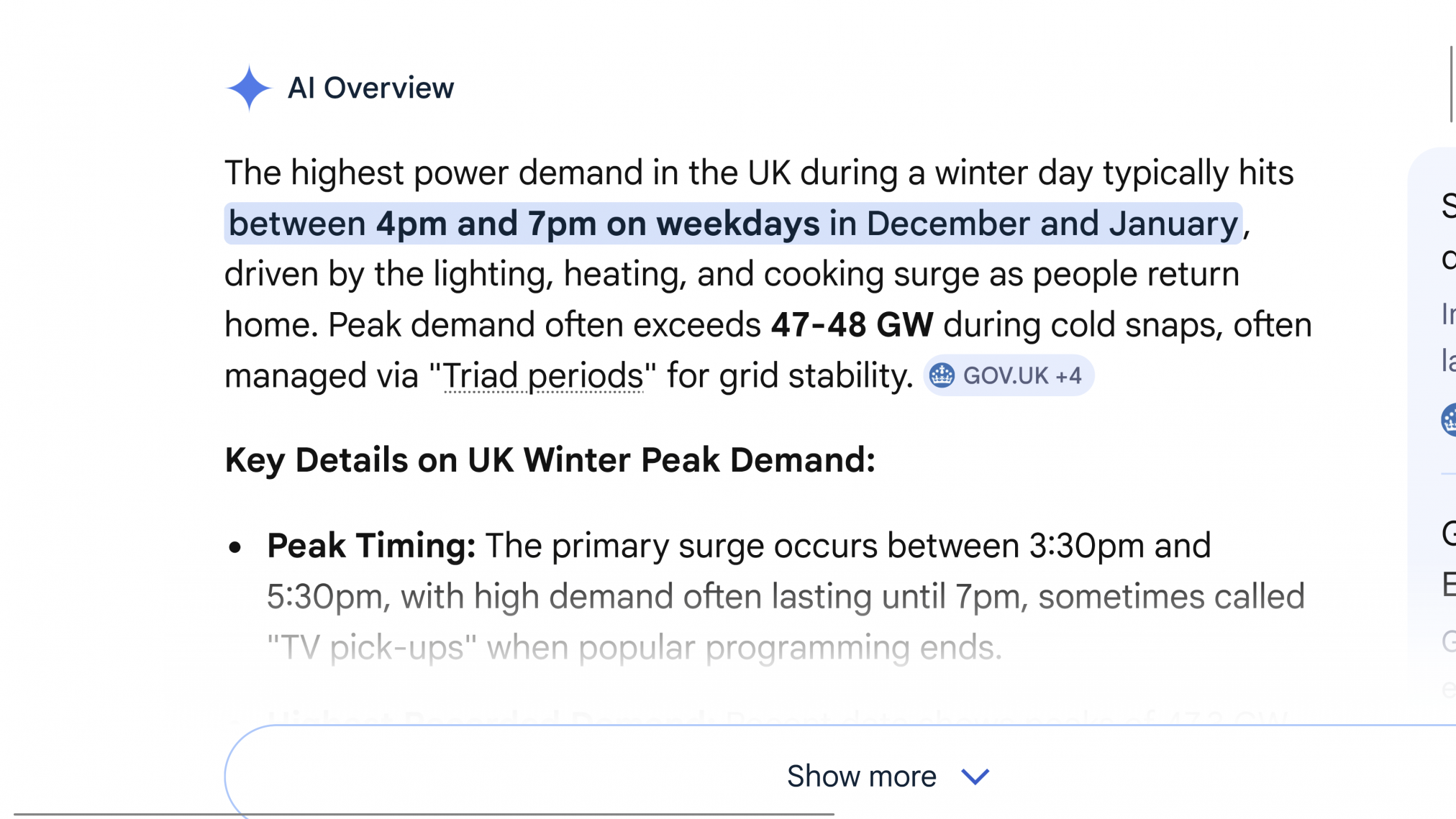
We are not making the “power move”, to ensure our usage is as low as possible during these times, but we feel every little bit we can do all helps.
I have set the lounge, offices, bedrooms and en suites to make use of these kinds of patterns. It’s not zero, but it’s not taking more than we need.
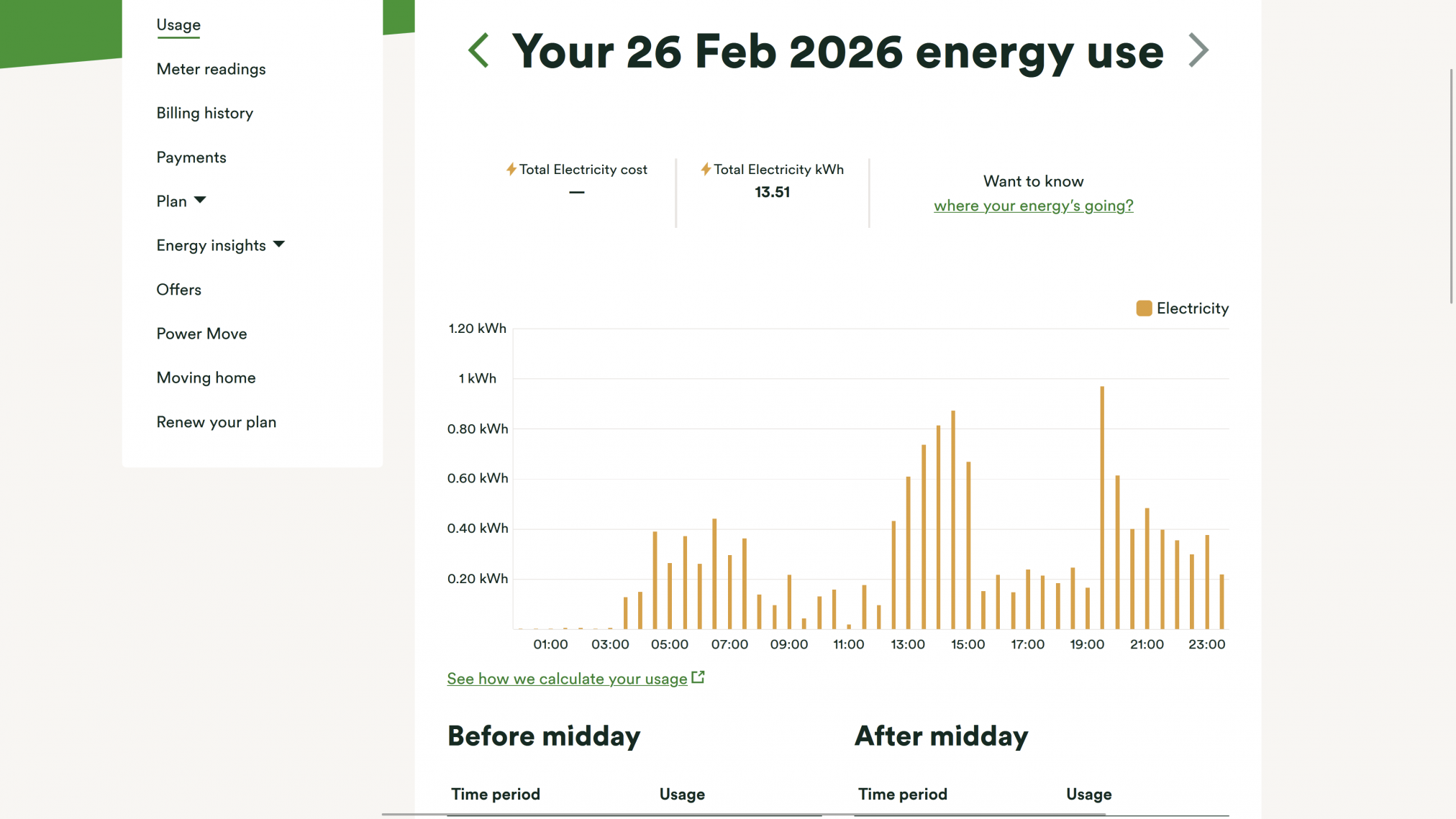
On a day where there wasn’t that much sun, we can see the corresponding peaks in our pull on the grid.
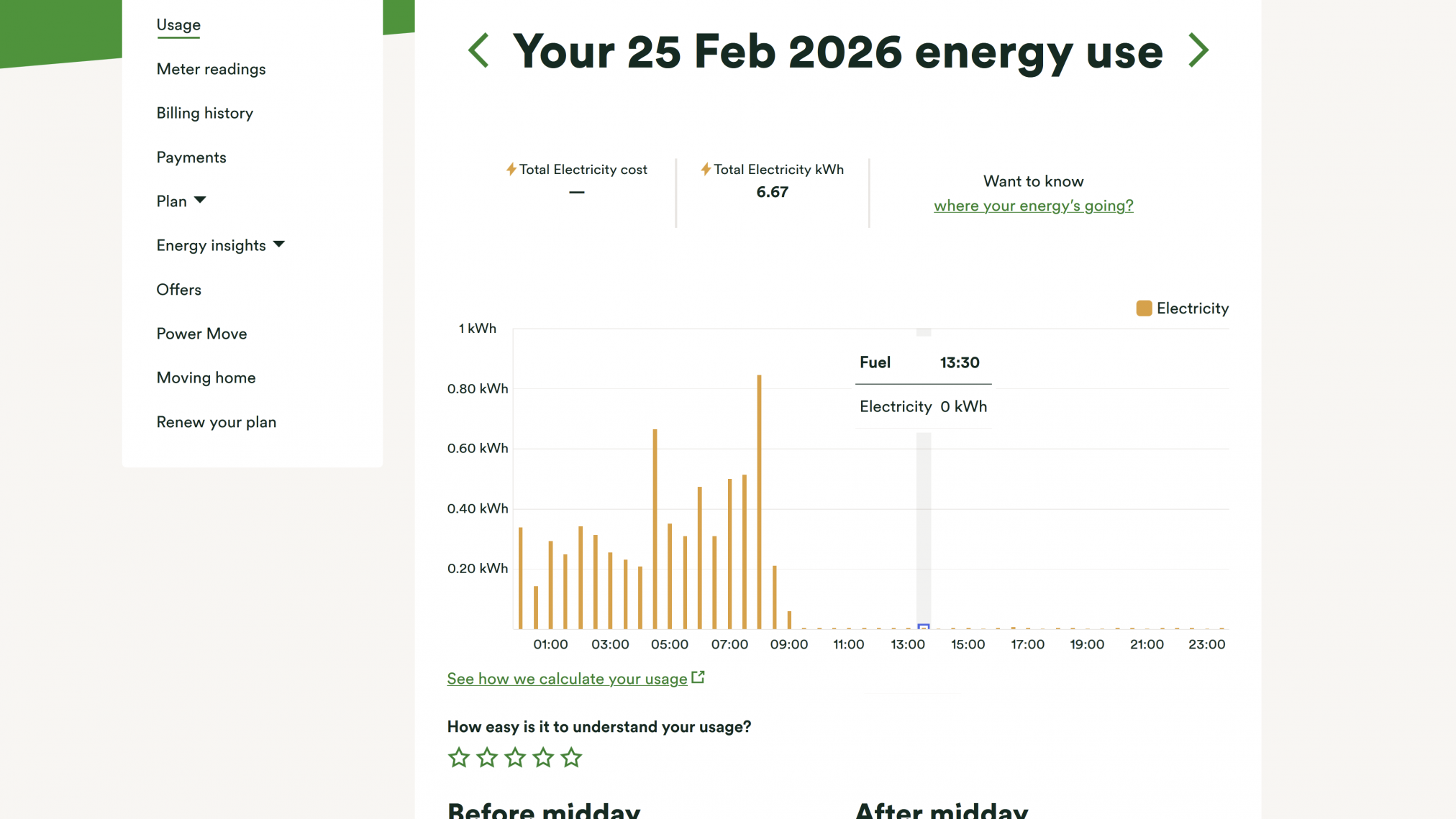
On a day when we are generating electricity, it’s really noticeable, even in February… Wednesday the 25th February, while I was putting everything back to “normal” for our return, our house was drawing very little from the grid. We were managing to charge our batteries to take us through the evening.
These changes you’ve made are working then?
They do seem to be. Heating the house during the times we have energy from the roof, not drawing too much from the grid during peak demand are worth the effort.
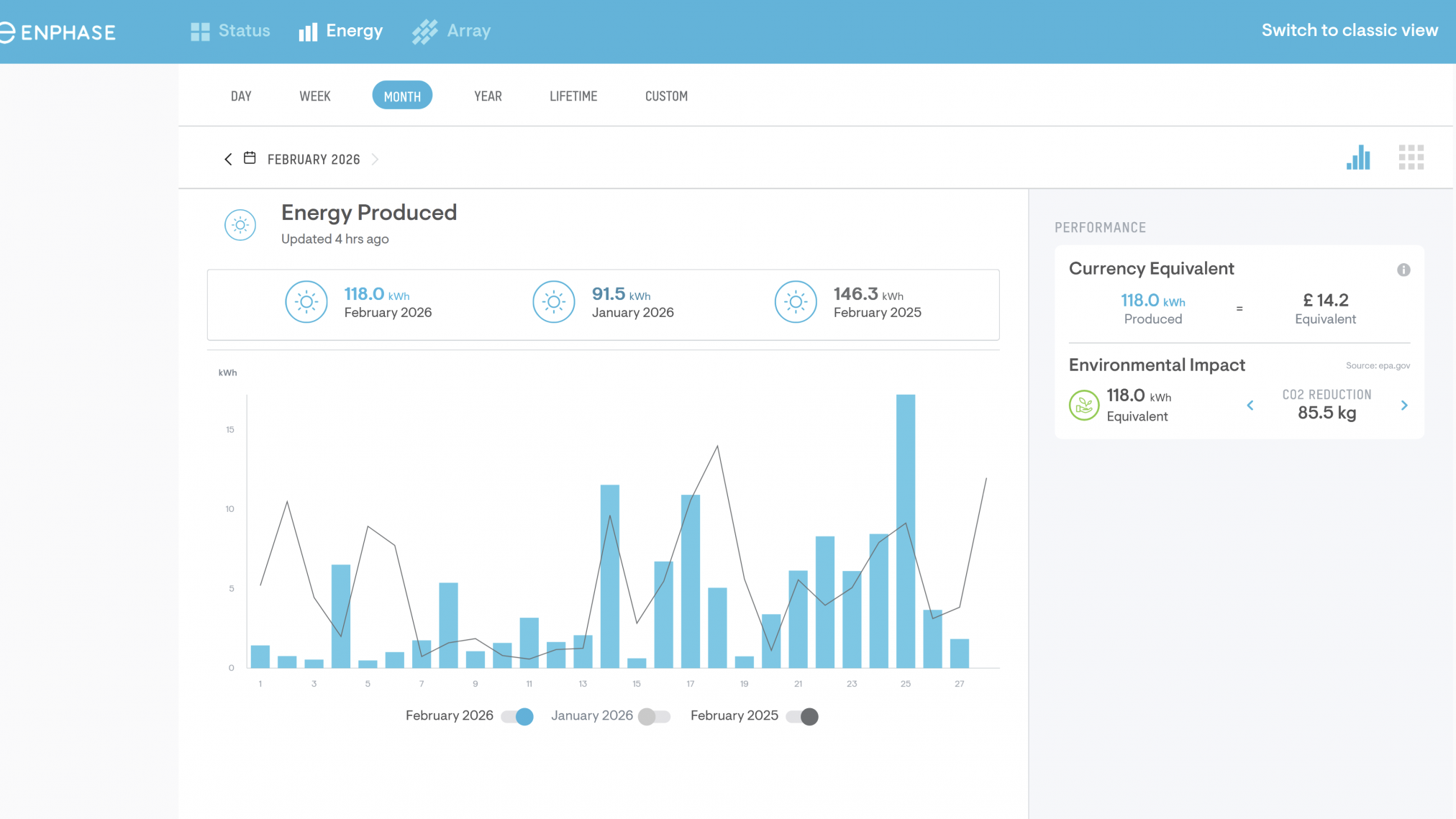
Compared to usage up to the 26th February 2025, we have used 170.7kWh less electricity, about £45.25 (and last year the electricity was more expensive).
We haven’t changed anything else, and February 2026 has been cooler than February 2025, and darker. I can prove that because we’ve generated significantly less electricity than last year!
Oh, so that isn’t just you using less from the grid, you’ve actually used less per se!
We’re making it count. Both years have been using the heat pump, but getting the insulation right with the windows allows us to make simple changes to our behaviour without making us uncomfortable. Far from it, we are warm and the house is definitely working for us. Over the course of a day, the lounge is heated twice a day, as many people set up their homes, it’s just making the most of what we’re actually generating and using.
On the 26th February 2026, we were using very little power between 16:00 and 19:00. So much for electric heating making greater demands on the grid and we didn’t need to be cold to achieve this.
Posted: February 28th, 2026 under Driving off the grid.